During the 2025-2026 academic school year, Harvard University’s Charles Warren Center hosted a fantastic, year-long seminar series focused on labor history: “Labor and Political Economy in American History.” I was part of it, and had a blast reading many papers, researching in first-class libraries, networking with fellow labor historians, raging at punk rock shows at night, and obtaining content for my increasingly influential social media page. The monthly seminars were highly stimulating, and the organizers, Sven Beckert and Joel Suarez, were friendly, supportive, thoughtful, and highly engaging hosts. The same can be said about Lisa McGirr, the Charles Warren Center director. And I cannot say enough kind things about the participants: Thomas Adams, Holger Droessler, Andrew Elrod, Kelly Goodman, Jennifer Klein, Max Mishler, and Premilla Nadasen. They are a tough-minded bunch focused on a variety of interesting research topics, including: the extensive tentacles of the transition of service from a social relation to a discrete category of labor and commodity; the long arc of the American military as a major employer of labor; the rise of the open shop and transformation of Texas politics; the relationship between teachers unions and school finance in the postwar era; exploitation and profit in Louisiana’s sacrifice zones; the transnational history of drugs as labor history, and the deep intertwinement of racial capitalism, social reproduction, and care. We read each other’s work and spent a good amount of time schmoozing and talking shop on the fourth floor of Emerson Hall. I enjoyed the many conversations with fellow labor historians and I’m excited to see their various projects come out in print. And when I wanted to discuss deeper matters, I ventured down to the second and third floors of the building, where the Philosophy Department is housed.
The seminars, overseen by the labor of outstanding staff members Monnikue Marie McCall and Marian Wilson, took place in Robinson Hall most weeks, and participants included an assortment of engaging graduate students, faculty members, and undergraduate students enrolled in a year-long labor history class. The sessions generated fascinating discussions and debates. Taken together, they demonstrated, yet again, that despite the disingenuous comments of our critics, labor history remains a dynamic area of study, and thus much, much more than the history of white men in unions.
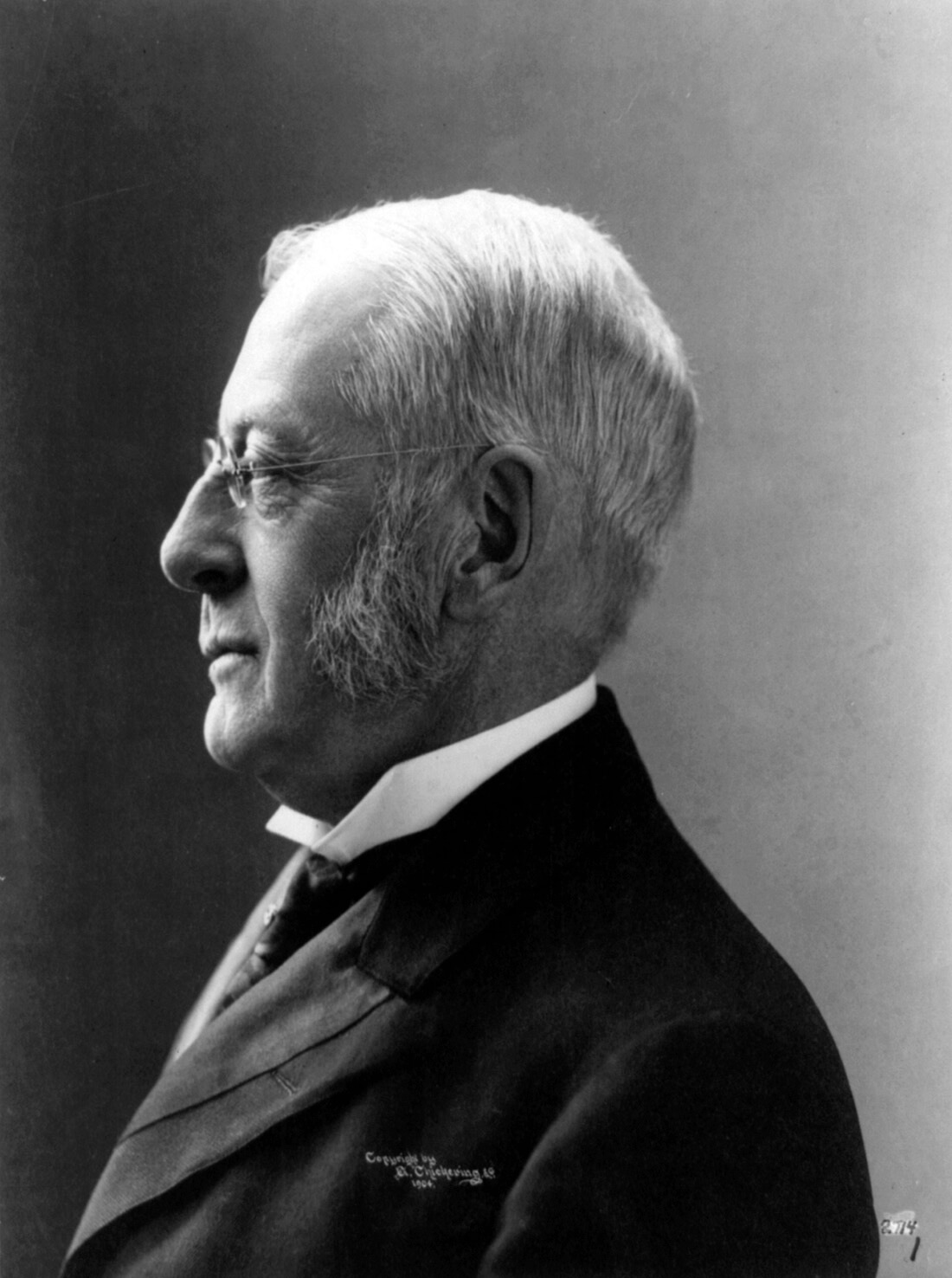
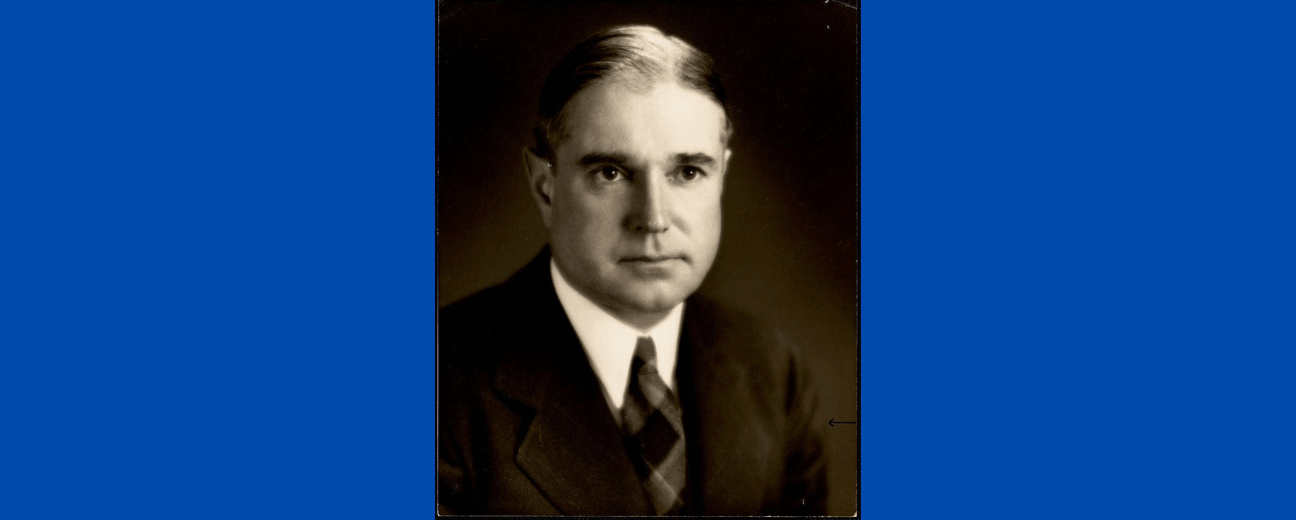
That a ruling class institution like Harvard hosted these seminars may come across as odd for at least two reasons. After all, for centuries, Harvard has been a place where reactionary academics and administrators thrived. In early centuries, Harvard benefited from slavery. Moreover, many of our class enemies studied, taught, and led the institution. Consider some examples. Charles Warren, the person after whom the center is named, received two degrees from Harvard before establishing the Immigration Restriction League and later, while serving as Assistant Attorney General, helping to author the 1917 Espionage Act. Warren believed that militant unionists during World War I deserved the death penalty. Alumnus Louis Brandeis was a participant in a militia group that fought railroad strikers in Louisville in 1877–years before he became a management-side employment lawyer and Supreme Court justice. Former Harvard president Charles Eliot infamously called scabs “heroes” in 1902. Eliot aligned himself with some of the most ruthless union-busters. Eliot overlapped with other labor foes, including J. Laurence Laughlin. During the misnamed Progressive Era, Laughlin was a regular speaker at meetings hosted by open-shop employers’ associations. One of Laughlin’s students, Theodore Roosevelt, went on to serve as President and helped to inspire countless numbers of anti-union activists for his role in ending the 1902 anthracite coal strike. (Lots of historians wrongly insist that the commission Roosevelt established was a win for the union movement since he didn’t send in federal troops to smash it. The agreement called for the protection of open-shop mines and was widely celebrated by the nation’s assorted group of exploiters). And some of Harvard’s students went on to serve as bosses in various workplaces after graduation and thus made the lives of ordinary people miserable. Harvard graduate bigots like Owen Wister and Lothrop Stoddard offered intellectual justifications for expressions of class and racial inequality. And of course, Harvard was recently home to Epstein class sleazeballs Larry Summers and Alan Dershowitz (share the evidence, gentlemen!).
Of course, we don’t need to look far to find reasons to praise the institution. Harvard has acknowledged its ties to slavery, and members of its community give tours about this history and have set up a useful website about it. And Harvard’s history department has trained many outstanding scholars over the years. It has produced a good number of wonderful class traitors. Several important left-wing activists received their education at Harvard. Communist Albert Weisbord, one of the leaders of the massive 1926 Passaic, New Jersey, textile strike, earned his law degree from Harvard. Powers Hapgood, a 1921 Harvard graduate, was an active socialist and unionist. Most importantly, Harvard’s graduate workers, organized as Harvard Graduate Students Union-UAW Local 5118, have been involved in a virtuous struggle for dignity, and they staged a strike at the end of the semester. Warren fellows showed solidarity by offering teach-ins and holding seminars off campus to honor the picket line.
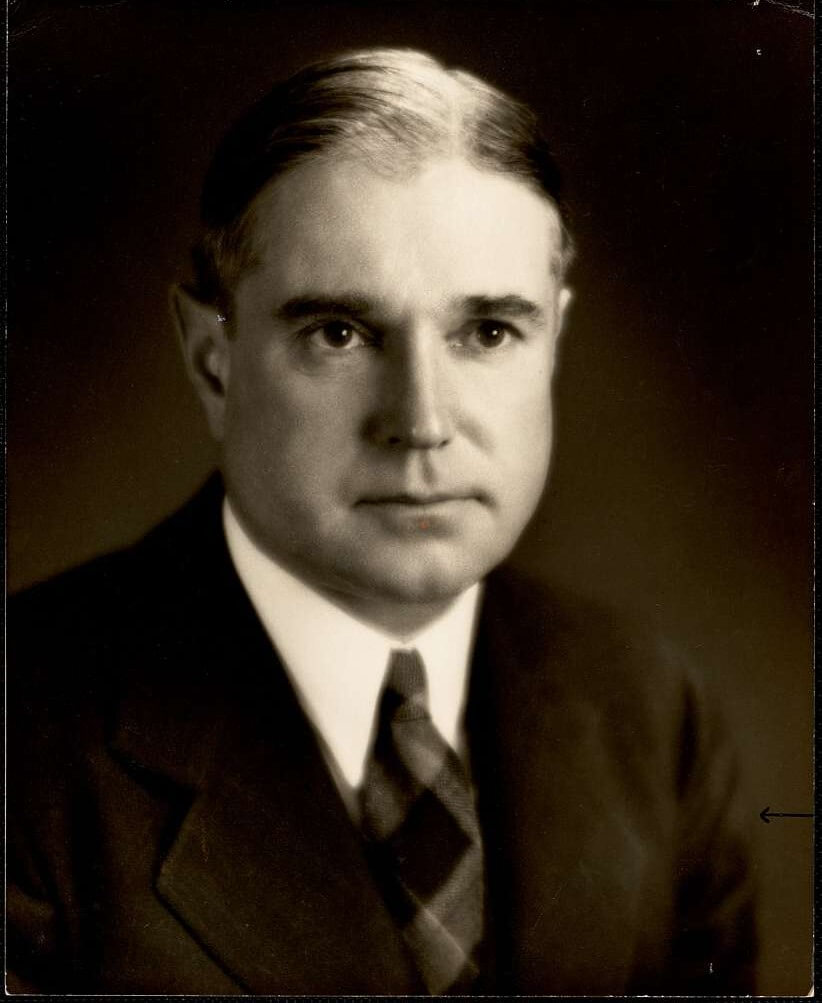
The second reason it may appear odd that Harvard hosted the seminar series concerns recent scholarly controversies. A decade and a half ago, Sven Beckert’s “History of American Capitalism” essay (part of the American Historical Association’s American History Now series edited by Eric Foner and Lisa McGirr), ruffled some feathers. Historians Bryan D. Palmer, Nan Enstad, and Julie Greene, respectively, criticized him for promoting the history of capitalism at the expense of other areas of study, including labor history. They challenged him and other “new” history of capitalism boosters for, in their interpretation, dismissing some of the insights produced by labor historians (of course, labor historian David Montgomery made a case for studying capitalism thirty years earlier). In 2021, Greene noted Beckert’s own words, pointing out that he said that “economic, labor, and business historians” had found that their respective areas of study “had reached an impasse and were in need of new perspectives.” Greene pushed back, explaining that “This comment exemplifies the continuing assumptions, among some scholars, that labor history has entered a period of relative irrelevance—even as more and more books and articles were looking beyond the industrial workplace, white male workers, and the domestic United States.”
I am convinced that the seminar hosts, as well as many of those in the Harvard community more broadly, have come to recognize–or have always recognized–labor history’s extraordinary importance. Beckert himself developed an early appreciation for the struggles of US wage earners when he worked for a German-based newspaper and visited Austin, Minnesota, where the P-9 strike broke out in 1985-1986 against Hormel. Here he witnessed the bitterness of that conflict, which helped him develop an appreciation for labor’s struggles during the difficult Reagan years (Democrats were not especially helpful, either, as Peter Rachleff notes in his book on the topic). Fast forward to the present, I found Beckert to be enormously supportive of our projects. He read our papers carefully, offered useful comments, and allowed spirited—and sometimes mildly acrimonious—debates to break out in the seminar room. The same can be said about co-director, Joel Suarez. Suarez, one of the History Department’s most recent hires, identifies, proudly, as a labor historian and routinely offered insightful and supportive comments during the sessions. Personally, I always went out of my way to chat and crack jokes with Beckert, Suarez, and all the fellows. I think some realized that they could run, but they COULD NOT hide from me!
Whatever the case, I believe all the session participants, from Beckert to the eager undergraduate students, would wholeheartedly agree with Julie Greene’s spot-on assessment that the history of capitalism needs labor history: “Class is a complicated and fluid power relationship that takes different forms, that changes historically, and that can take distinct forms for different people in diverse settings and regions.” Studying labor history, she concludes, can help us uncover “the very workings of the capitalist system at different historical moments.” Many thanks to the Charles Warren Center for contributing to this larger project. Too bad Charles Warren wasn’t around to witness it.