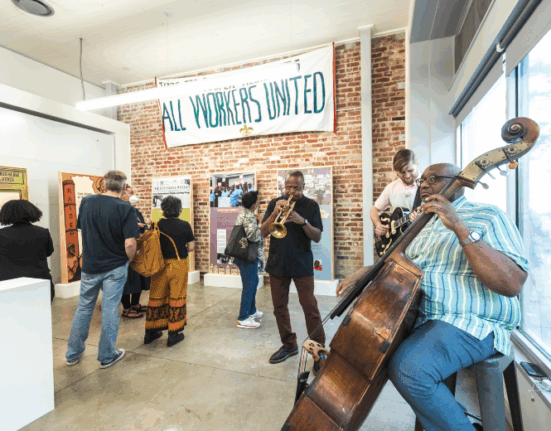
In light of current attacks on labor unions, Black history, academic freedom, and public humanities, we are grateful to be able to share the story of Don’t Stand Alone: Black Labor Organizing in New Orleans, a collaborative public history exhibit that made its debut in 2024 at Tulane University’s Small Center for Collaborative Design. Don’t Stand Alone is the product of years of community engagement, interdisciplinary collaboration, student research projects, and professional academic review. Accompanied by a range of public programs, the exhibit continues to travel across the city, drawing large crowds at each stop. Its popularity reflects both our collaboration’s protracted participatory development process and its resulting broad base in the community.
Research for the exhibit began years earlier when members of Stand with Dignity (a former project of the New Orleans Workers’ Center for Racial Justice) started digging into New Orleans’s rich Black labor history in partnership with then-graduate student ethnographer Sarah Fouts and her class at Tulane University. The project survived multiple obstacles, most notably the Covid-19 pandemic, which put it on hold for several years.
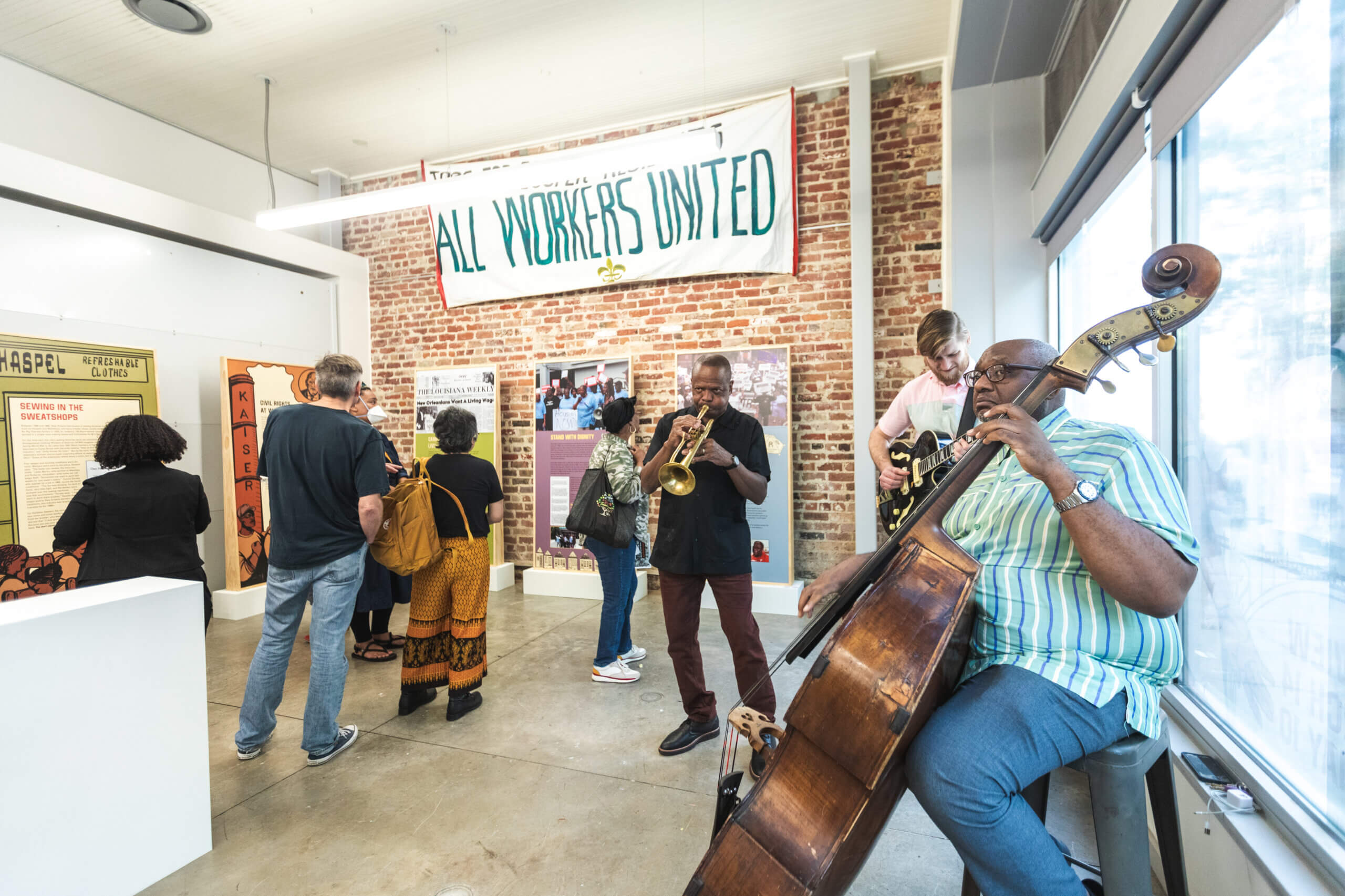
However, through subsequent collaborative research and community building after the pandemic, our team produced a 14-panel traveling exhibit highlighting the history of Black labor organizing in the city. With a modest budget of pooled funding and small grants, an active community advisory board, teams of undergraduate and graduate students, in-house design expertise, and the inspired art of Langston Allston, Don’t Stand Alone traces the activism of Black workers over multiple generations and industries—from the 19th-century waterfront to 21st-century hotels and tourism.
Unions have always faced challenges in the South. Yet New Orleans has a long history of Black labor organizing. In the face of often violent opposition, Black New Orleanians drove campaigns for fair pay, equal access, and improved working conditions. They engaged in collective action, won hard-earned victories, and launched successful moments of interracial solidarity. In fact, Black workers in New Orleans led the fight against white supremacy and in favor of economic justice for all at every turn.
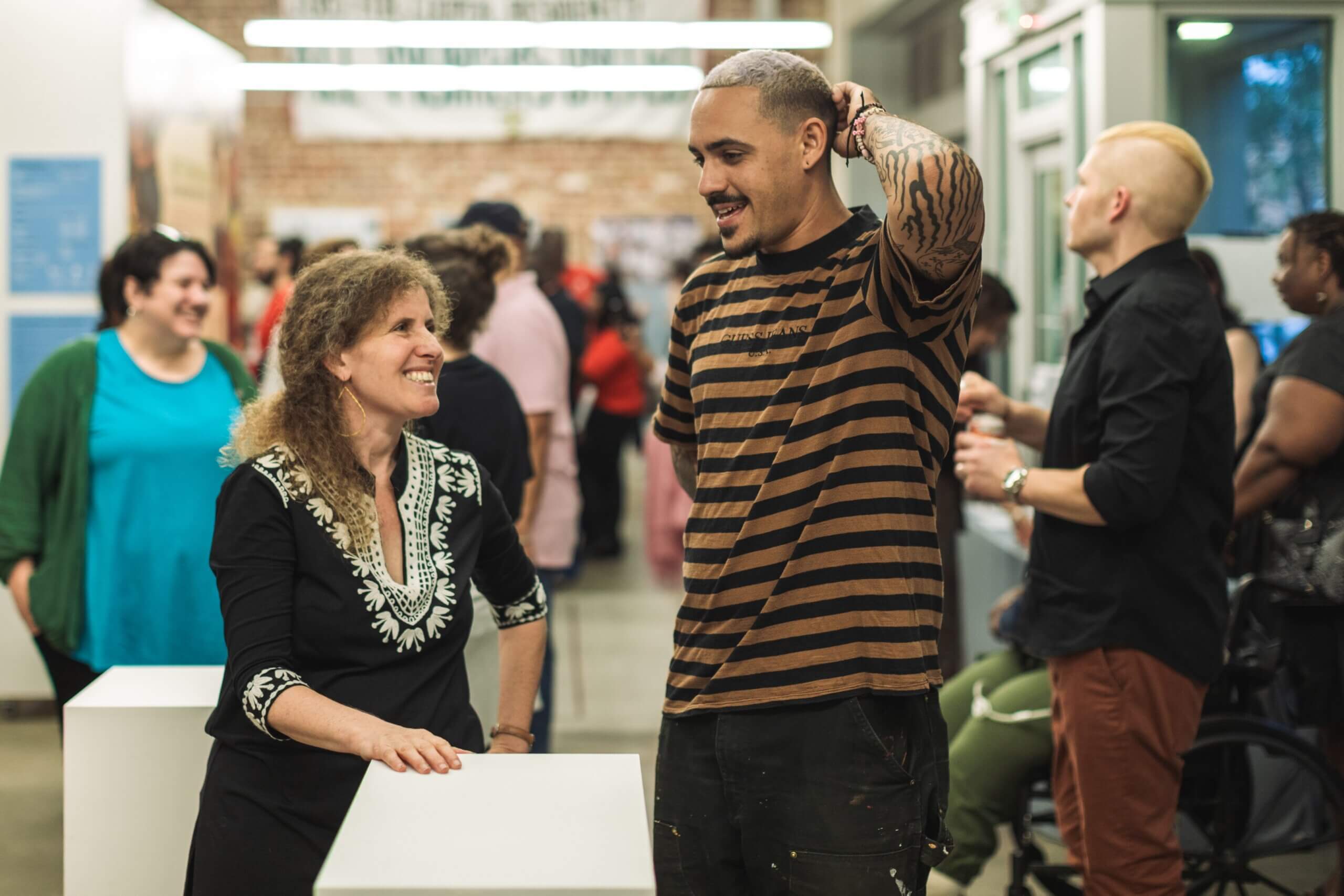
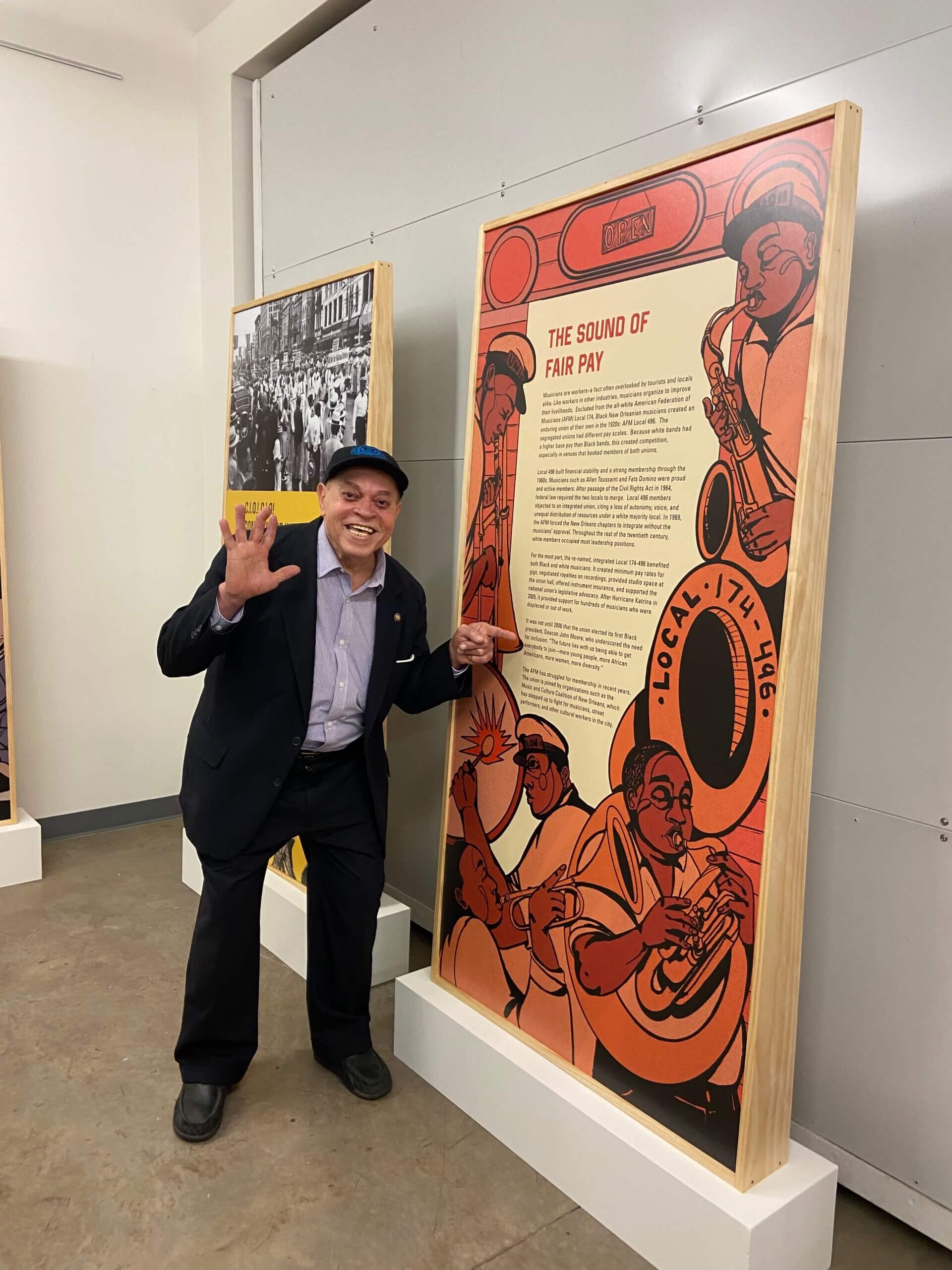
In our article in LABOR, “Behind the Scenes: Don’t Stand Alone: Black Labor Organizing in New Orleans,” we share the history of how Black domestic workers, teachers, sex workers, industrial workers, and others pushed for fair wages, racial equality, and well-being for the city’s Black residents. These struggles were intertwined with civil rights protests and social justice campaigns, with Black labor leaders often on the front lines. Their acts of resistance – whether large or small – put cracks in the city’s foundation of white supremacy, while their mass marches, strikes, and organizing campaigns showed that ordinary people can create a new, fairer world through collective action.
We also take LABOR readers on a journey into the process of collaborative exhibit making. This includes our research challenges, efforts to build community alliances and accountability, and the nuts and bolts—in some senses literally—of putting the finished product together.
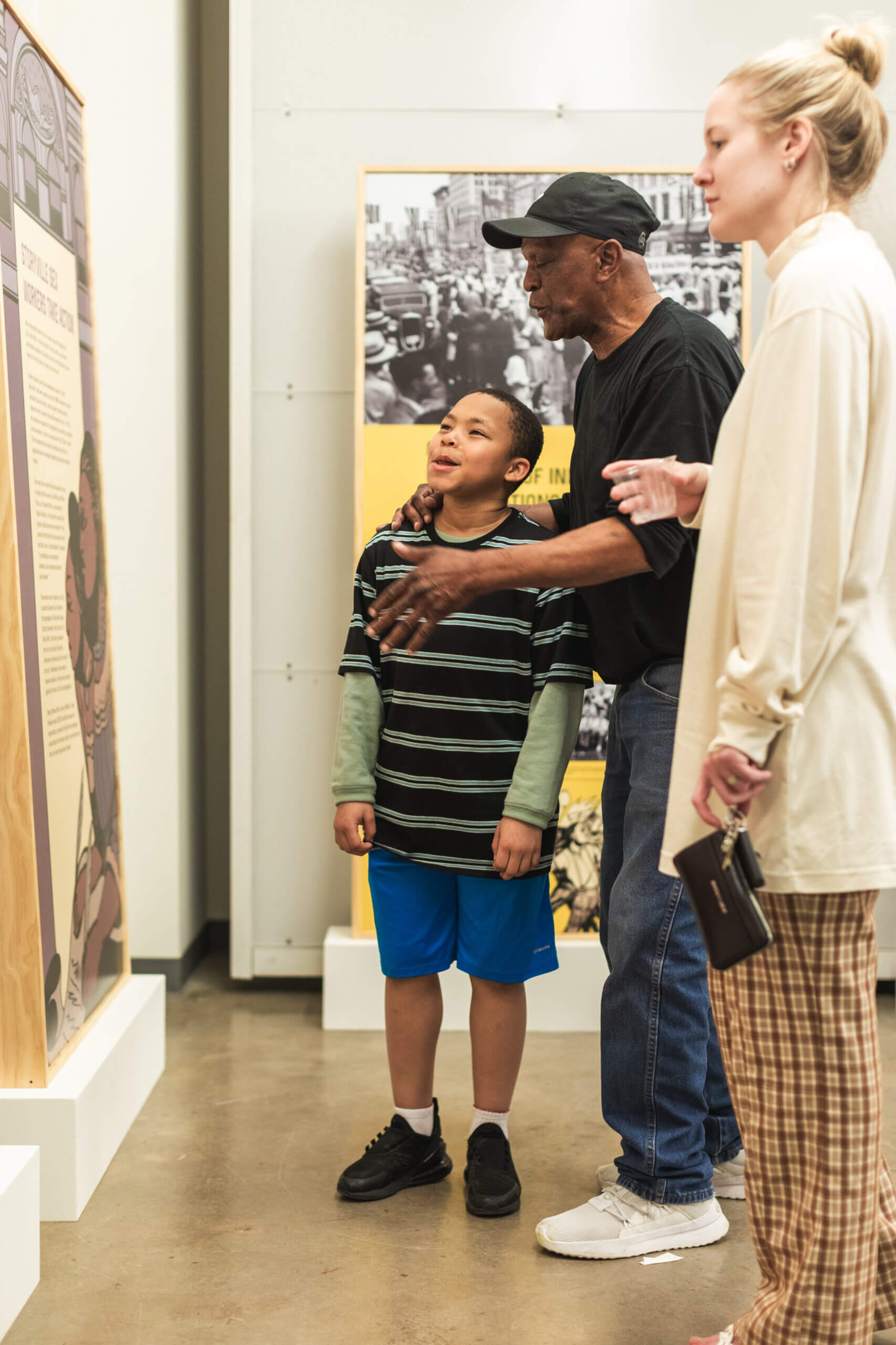
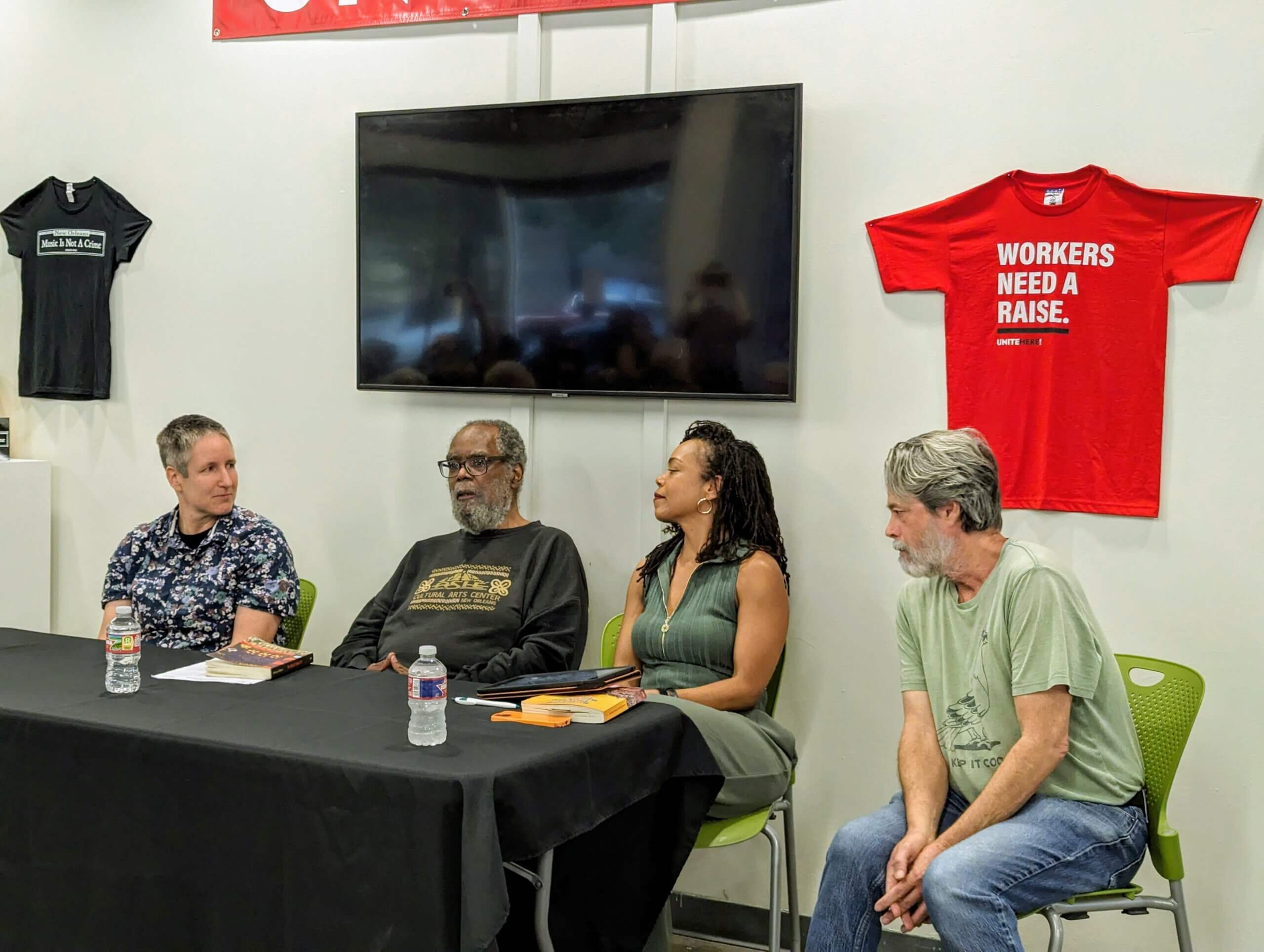
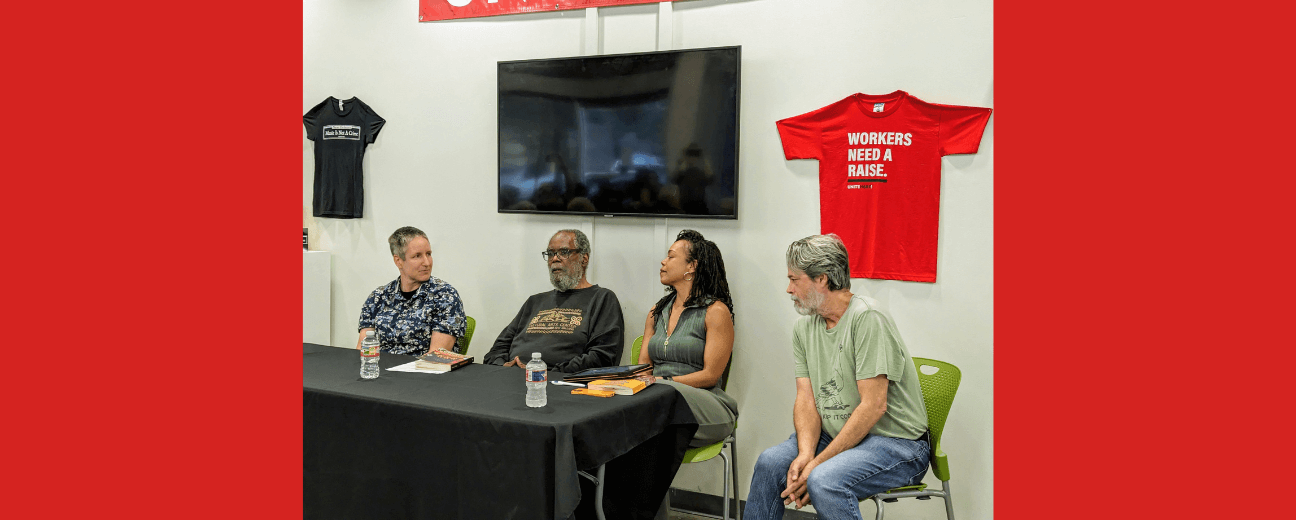
After its initial run at the Small Center, Don’t Stand Alone traveled around the city. Throughout the 2024-25 school year, it held space in several branches of the New Orleans Public Library, from its main central location to outposts far from the French Quarter. It then moved to the International Alliance of Theatrical Stage Employees (IATSE) Local 478 union hall and later was on display at the 2025 Netroots Nation conference, a massive gathering of progressive activists and politicians that took place in New Orleans. It is currently housed at the Learning Commons in the Earl K. Long Library at The University of New Orleans.
Today, Black workers continue to spearhead the labor movement as a renewed force for democracy, racial justice, and economic opportunity for all. The struggle is ongoing. We hope these stories of New Orleans’s Black workers, activists, and visionaries—then and now—will inspire all of us for the future.
José Cotto, Artist, Designer, Educator
Max Krochmal, The University of New Orleans
Jana K. Lipman, Tulane University
Mary N. Mitchell, The University of New Orleans
M.G. Olson, New Orleans Workers’ Center for Racial Justice